Audience: Parents of kids ages 6 - 12
Theme: Modern parenting, balance, curiosity
Introduction: The Screen-Time Struggle Is Real
If you're a parent today, you've probably asked yourself this question more than once:
"How much screen time is too much?"
Screens are everywhere - tablets for school, phones for entertainment, laptops for homework. While technology isn't the enemy, many parents worry that constant screen consumption can quietly replace curiosity, creativity, and hands-on learning.
The goal isn't to eliminate screens.
The goal is to balance screen time with skill time - activities that help kids think, imagine, and explore the world around them.
Screen Time Isn't Bad - Passive Screen Time Is
Not all screen time is created equal.
Helpful screen time:
- Educational games
- Guided learning apps
- Watching documentaries together and talking about them
Less helpful screen time:
- Endless scrolling
- Fast-paced videos with no reflection
- Content that entertains but never engages
The challenge for parents isn't access - it's intention.
What Is "Skill Time"?
Skill time is any activity that helps children:
- Ask questions
- Solve problems
- Express emotions
- Build confidence
- Explore ideas beyond a screen
Examples include:
- Reading storybooks together
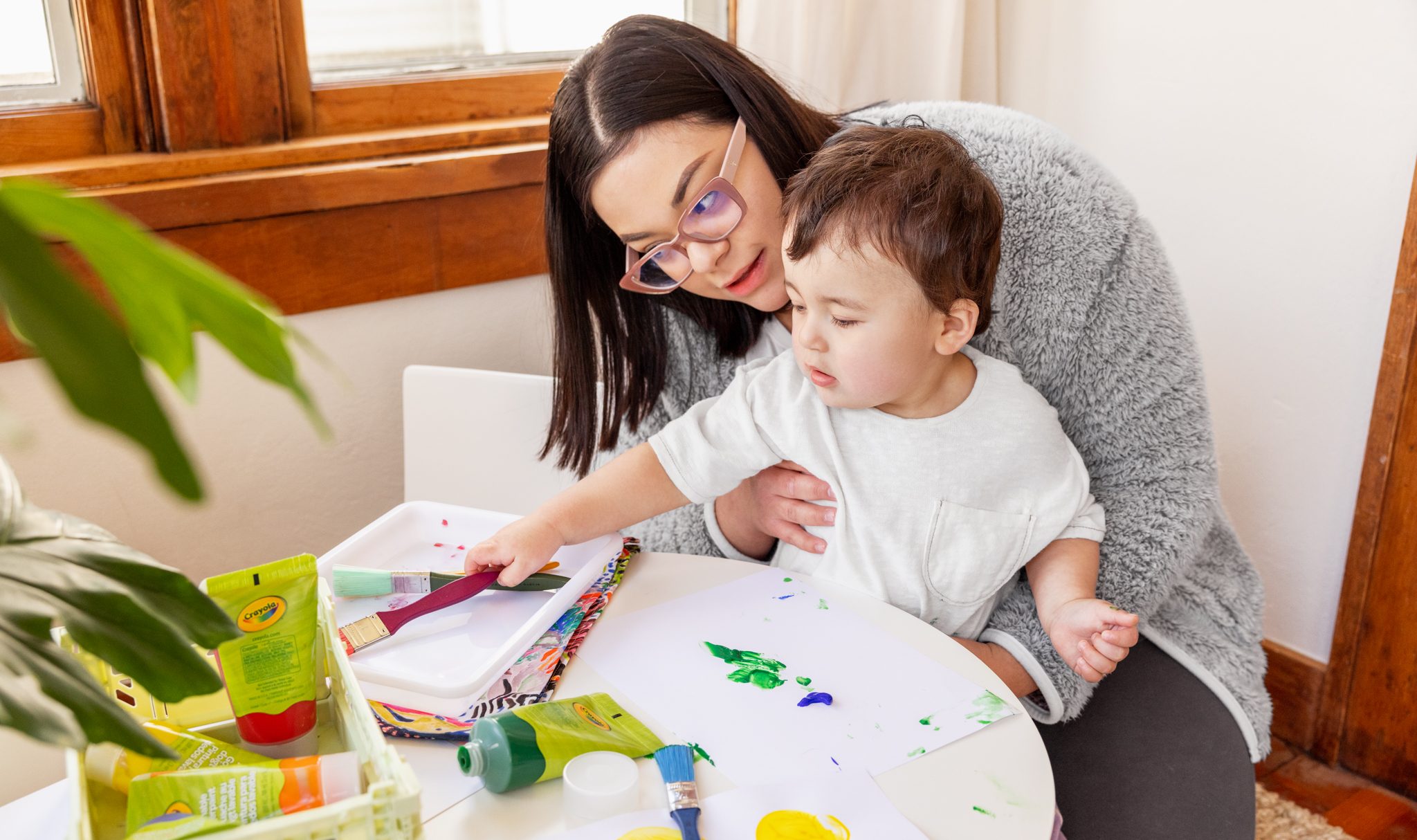
- Coloring with purpose (not just filling space)
- Puzzles and logic games
- Storytelling and imaginative play
These activities don’t just fill time - they build thinking habits.
How Storybooks Reignite Curiosity
Stories give kids something screens often don't:
space to imagine.
When children read or listen to stories, they:
- Visualize characters and worlds
- Predict what might happen next
- Relate lessons to their own lives
This is why story-driven books remain one of the most powerful learning tools - even in a digital world.
At Rafiki Sanaa, we see stories as curiosity engines, not just entertainment.
Nia's Safari Tip
When I explore the savannah, I don't rush. I observe, ask questions, and learn from what’s around me.
Try this at home:
After reading a story, ask your child:
- What would you have done differently?
- Which character reminds you of yourself?
- What do you think happens after the story ends?
These simple questions turn reading into thinking time.
Practical Ways to Balance Screen Time & Skill Time
You don't need strict rules - just simple rhythms.
Try this weekly mix:
- 📱 Screen time (intentional, limited)
- 📖 Story time (daily, even 10 minutes)
- 🎨 Creative play (coloring, drawing, building)
- 🧠 Thinking games (puzzles, riddles, "why" questions)
Consistency matters more than perfection.
Final Thought: Curiosity Is a Skill Worth Protecting
In a world designed to grab attention, curiosity is a quiet superpower.
By balancing screen time with story-driven, skill-building moments, you're not just managing devices - you're helping your child grow into a thoughtful, confident learner.
👉 Explore story-based books and activities that support curiosity.